

Dr. Liu Chang Exhibits XR Artworks at HKADC Showcase
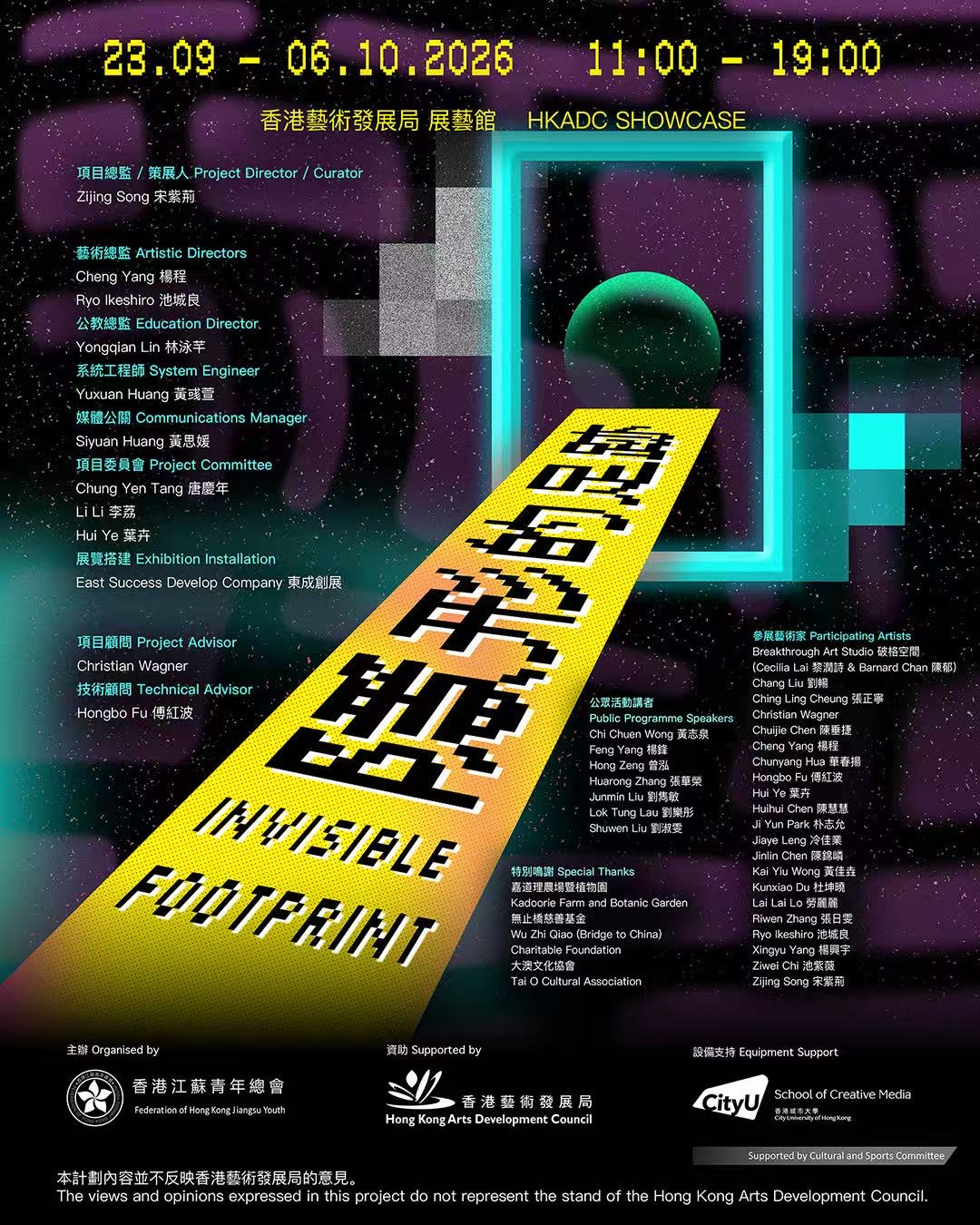
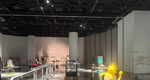
Dr. Liu Chang, Assistant Professor in the Department of Data Science and Digital Innovation at Hong Kong Shue Yan University, is presenting two interactive artworks combining ceramic sculpture with extended reality (XR) technology at the group exhibition Invisible Footprint. The exhibition runs from 23 September to 6 October 2026 at HKADC SHOWCASE. Organised by the Federation of Hong Kong Jiangsu Youth, it receives funding from the Hong Kong Arts Development Council and City University of Hong Kong’s Cultural and Sports Committee, with equipment support from CityUHK’s School of Creative Media.
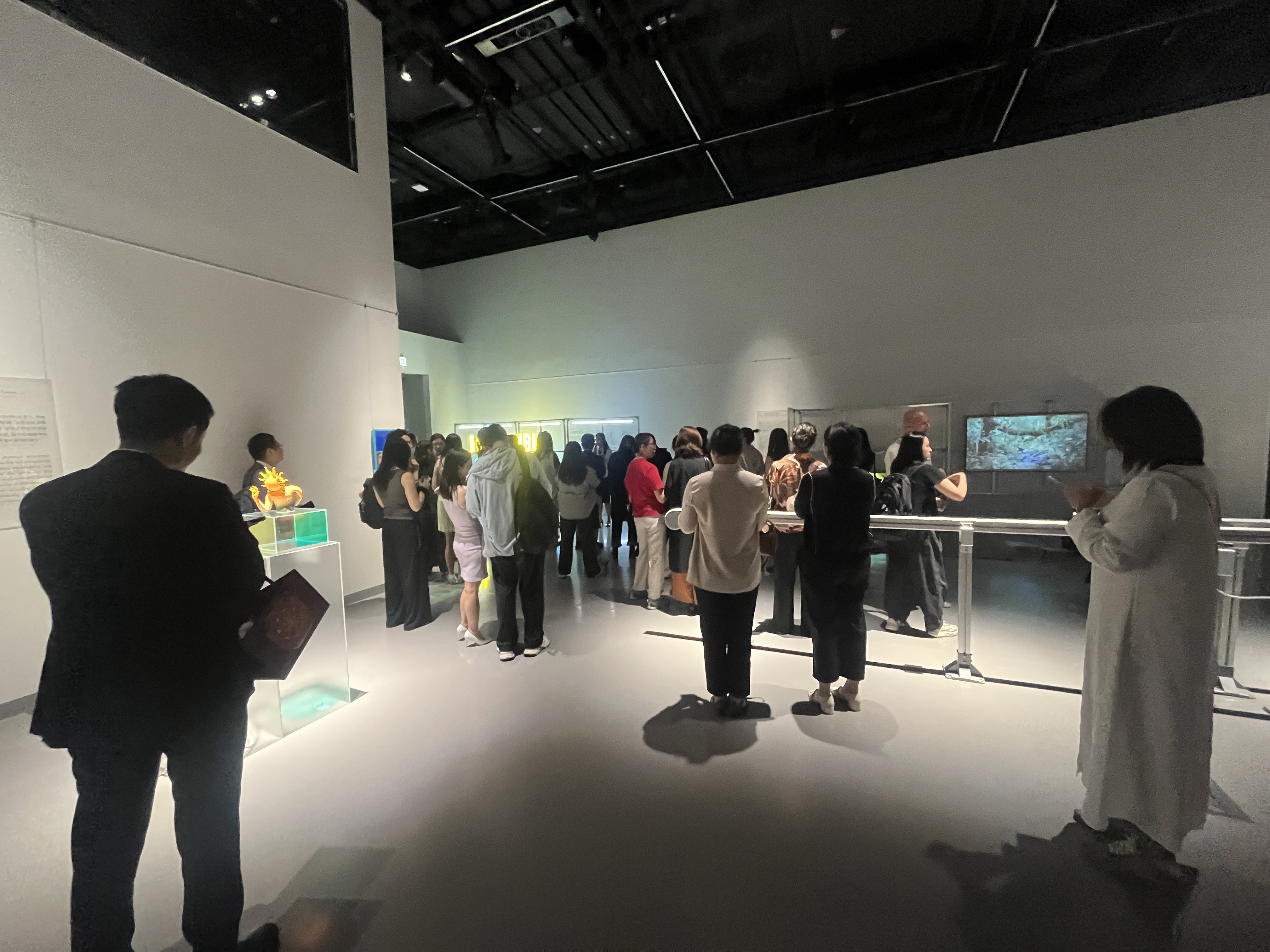
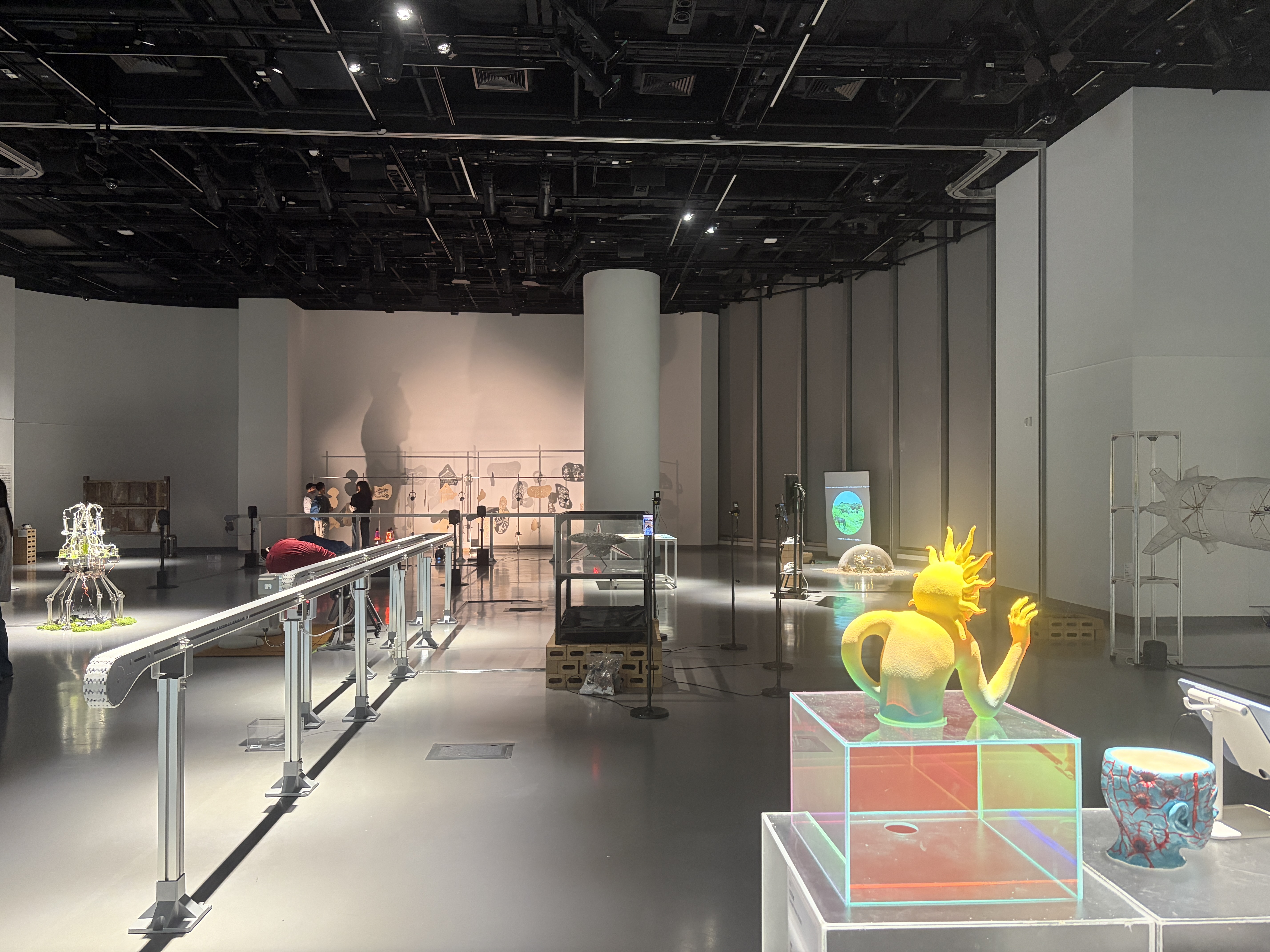
Set in an imagined Hong Kong in the year 2300, the exhibition explores how personal, urban, and cultural memories can be preserved across time. Visitors receive a unique digital identity card and activate a “digital double” that travels through three exhibition zones. Through mechanical installations, fragments of everyday life, plant specimens, and community memories, visitors are invited to reflect on how individuals are represented as data in the digital age and what traces we will leave for the future.
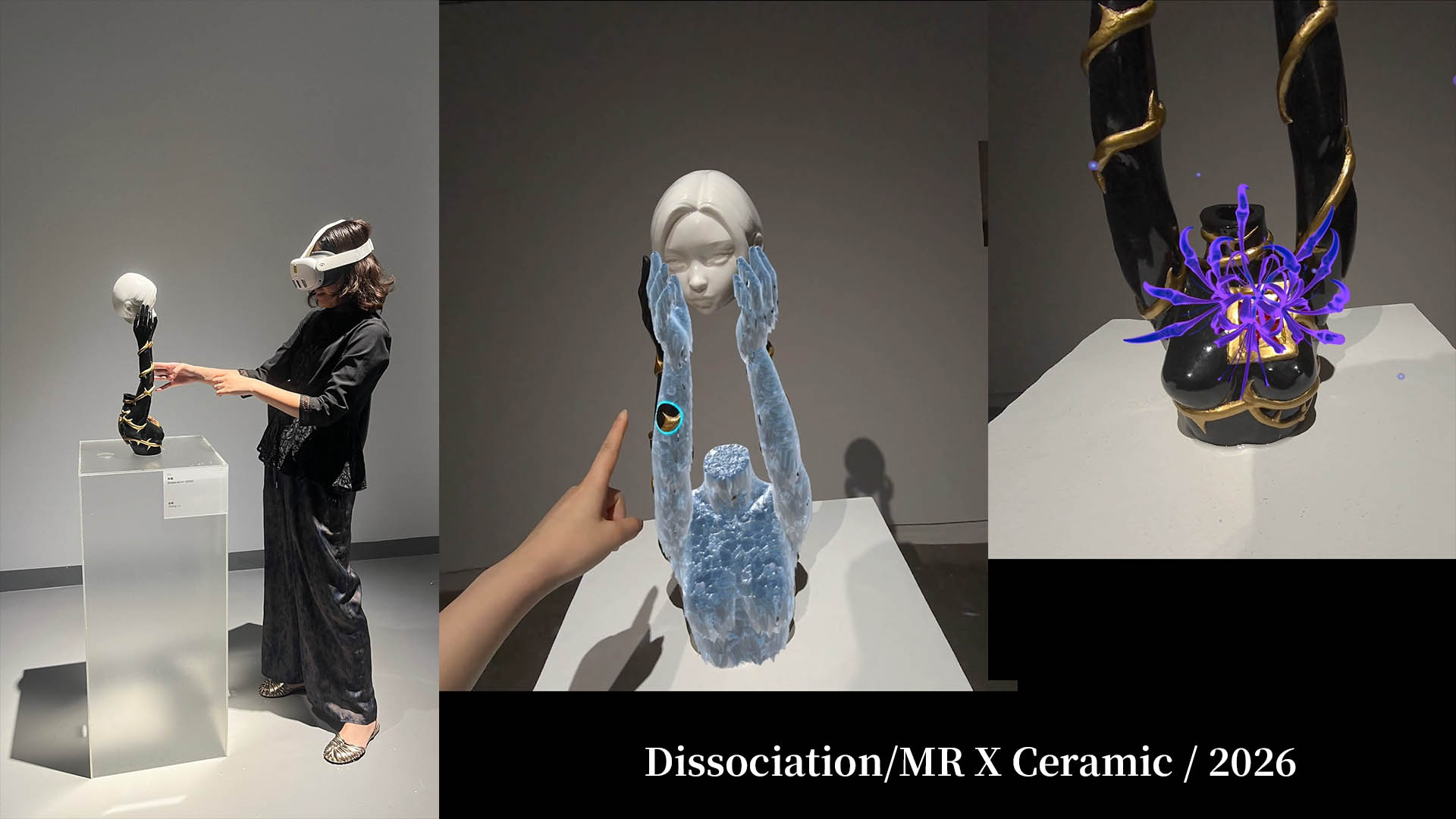
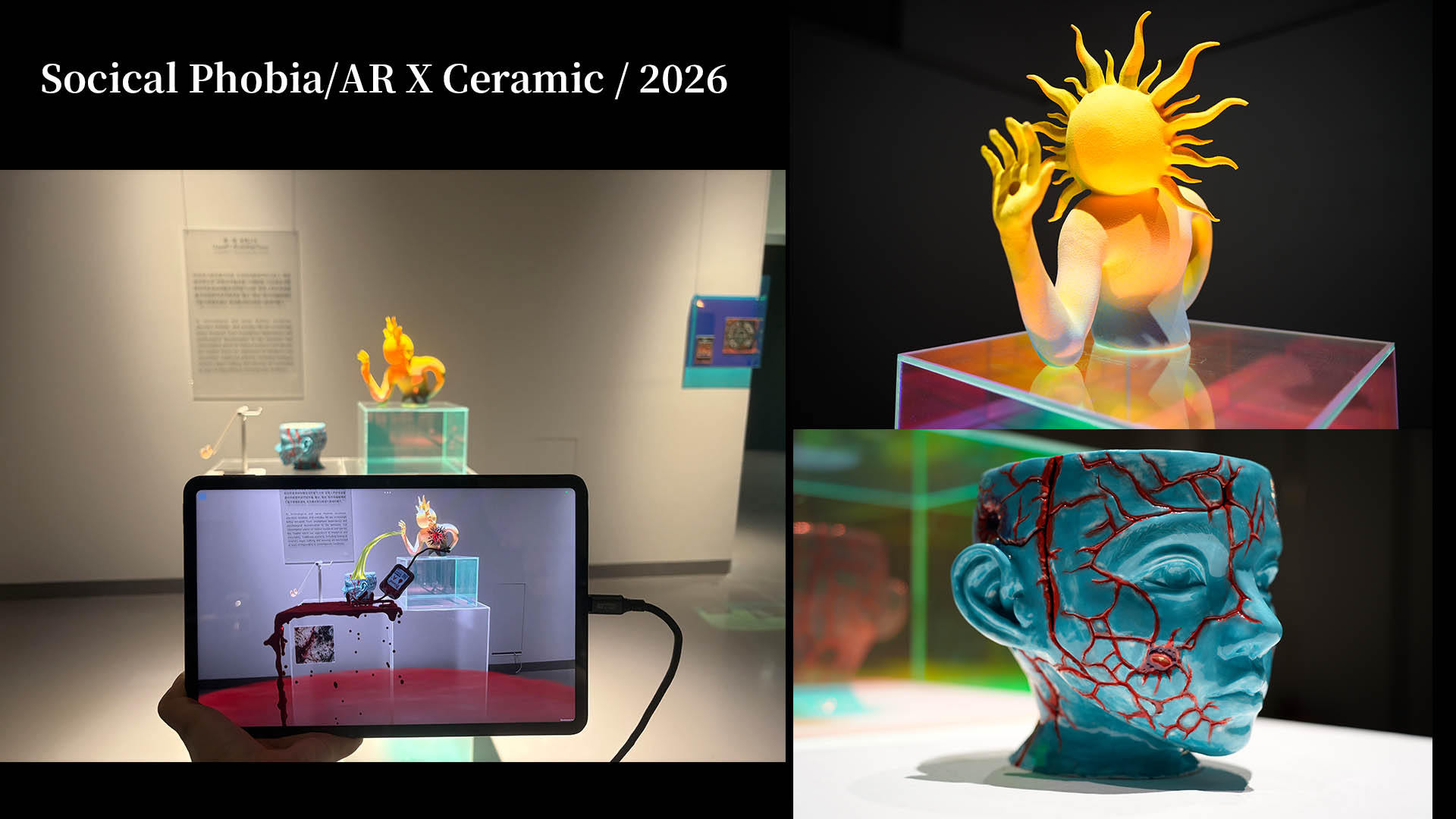
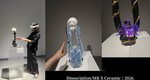
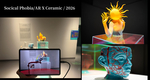
Dr. Liu’s Dissociation combines mixed reality (MR) with ceramic sculpture to explore the inner world of people who protect themselves from trauma through emotional numbness and a sense of disconnection between mind and body. Wearing a Meta Quest 3 headset, visitors use their fingertips to melt a virtual layer of ice covering the sculpture, reflecting on the process of reconnecting with bodily sensations and emotions. Her second work, Social Phobia, combines augmented reality (AR) with ceramics. Viewed through an iPad, virtual animation is overlaid on the physical sculptures to explore fear of interpersonal relationships following trauma, alongside vulnerability, pressure, and emotional depletion within relationships.
Dr. Liu’s participation highlights her creative exploration across immersive storytelling, interaction design, and ceramic art. The works demonstrate how XR technology can translate psychological experiences that are difficult to express into artistic encounters that audiences can see and participate in, inviting public reflection on trauma and interpersonal relationships.