


Updates
Events
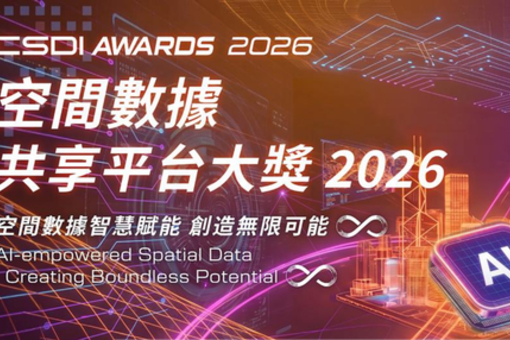
Join the CSDI Awards 2026: AI-Empowered Spatial Data Creating Boundless Potential!
We are excited to announce that Hong Kong Shue Yan University - Department of Data Science and Digital Innovation (DSDI) is the supporting organization of the CSDI Awards 2026 and it is now open for enrolment! The theme for this year's highly anticipated competition is "AI-empowered Spatial Data Creating Boundless Potential". This is a fantastic opportunity for students to showcase their technological skills and creativity.
Introduction & Competition Objectives The main objective of the CSDI Awards 2026 is to encourage participants to deeply integrate artificial intelligence (AI) with the analysis and use of spatial data, rather than treating AI only as a helper tool. The competition aims to explore innovative proposals for urban development, community services, and everyday life applications. Ultimately, it seeks to discover the crucial role of spatial data in building a smarter, more liveable, and more innovative Hong Kong.
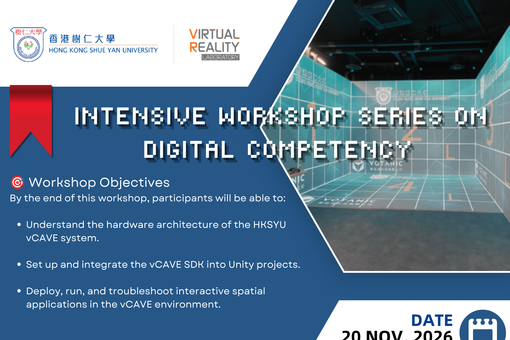
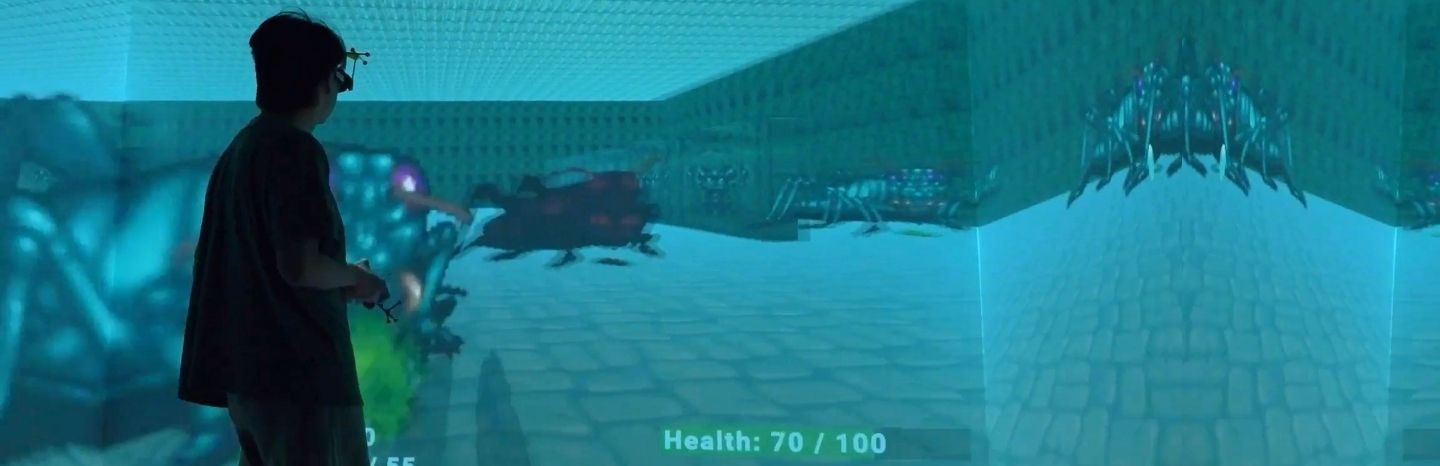
Intensive Workshop Series on Digital Competency – vCAVE Development
Date: 20 NOV 2026 (Fri)
Time: 11:00 – 13:00 and 14:00 – 16:00
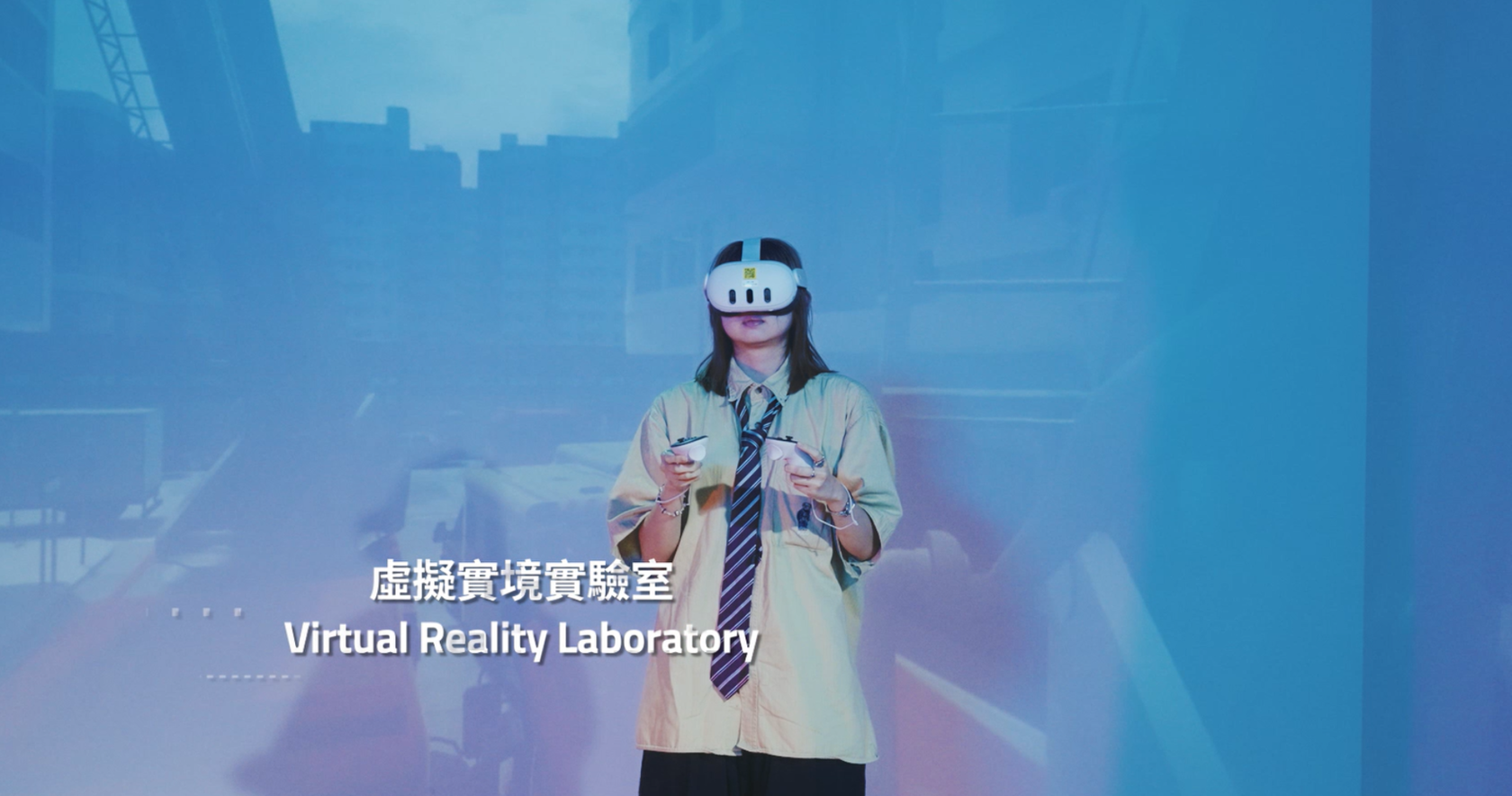
Location: RHB507 VR Lab
Quota: 4
Description:
🎯 Workshop Objectives, by the end of this workshop, participants will be able to:
1. Understand the hardware architecture of the HKSYU vCAVE system.
2. Set up and integrate the vCAVE SDK into Unity projects.
3. Deploy, run, and troubleshoot interactive spatial applications in the vCAVE environment.
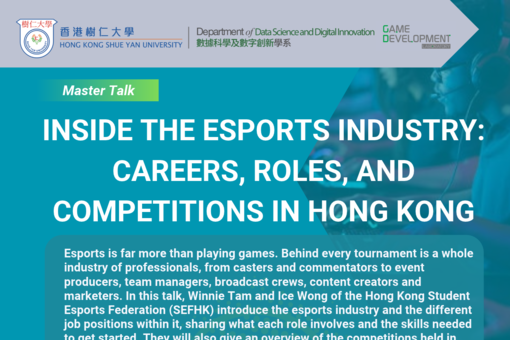
Master Talk: Inside the Esports Industry – Careers, Roles, and Competitions in Hong Kong
Date: 11 November 2026 (Wednesday)
Time: 11:00 – 12:00
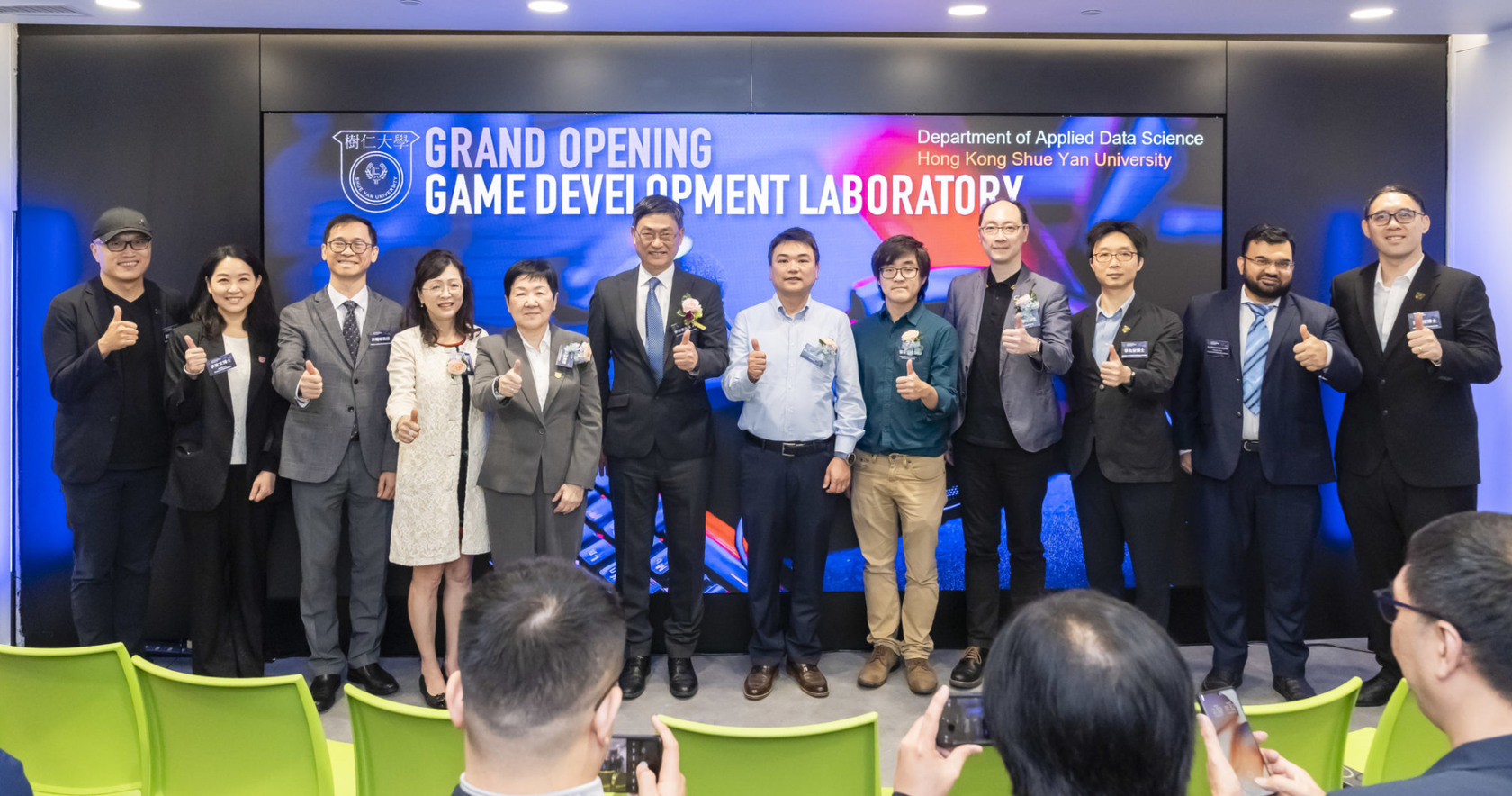
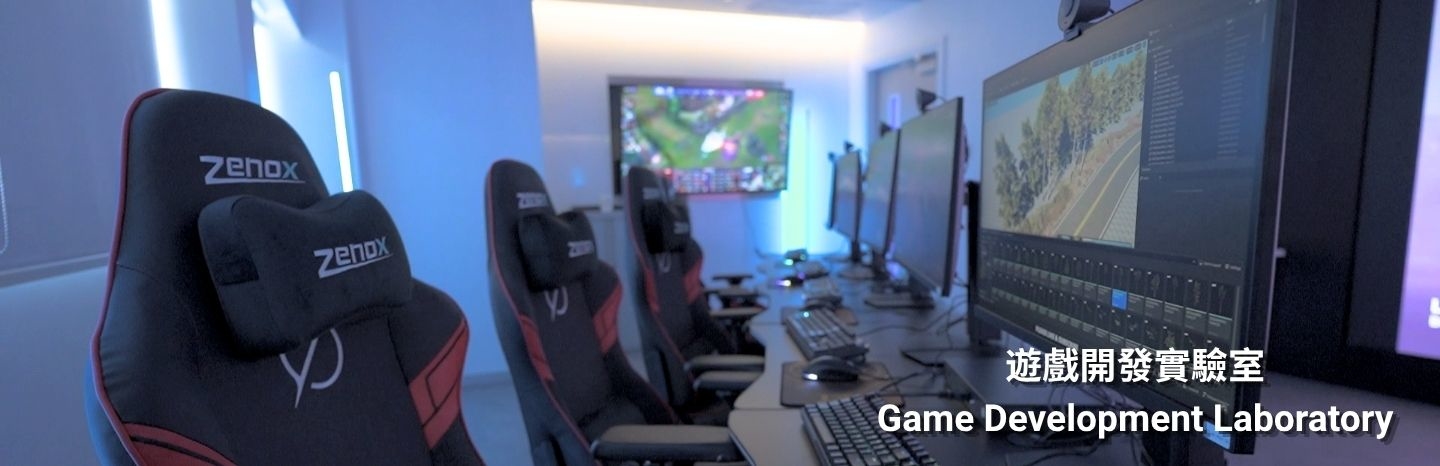
Venue: LG204, Game Development Laboratory, Main Building
Speakers: Winnie Tam and Ice Wong, Hong Kong Student Esports Federation (SEFHK)
About the Talk
Esports is far more than playing games. Behind every tournament is a whole industry of professionals, from casters and commentators to event producers, team managers, broadcast crews, content creators and marketers. In this Master Talk, two guest speakers from the Hong Kong Student Esports Federation (SEFHK) introduce the esports industry and the different job positions within it, sharing what each role involves and the skills needed to get started. They will also give an overview of the competitions held in Hong Kong, from student leagues to professional events, and how students can take part. The session closes with a Q&A, where students are welcome to ask about career paths and the local esports scene.
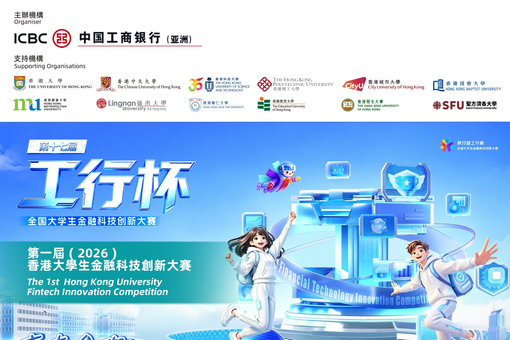
Call for Applications: The 1st Hong Kong University FinTech Innovation Competition 2026 (ICBC Cup)
The 1st Hong Kong University FinTech Innovation Competition (2026) is now open for applications! Hong Kong Shue Yan University is one of the Supporting Organization. Organized by ICBC (Asia), this inaugural event marks the historic launch of a dedicated Hong Kong competition zone for the prestigious, flagship ICBC Cup National College Student Financial Technology Innovation Competition.
Under the guidance of the Financial Services and the Treasury Bureau (FSTB) and the Hong Kong Monetary Authority (HKMA), this competition is designed to empower young talent, promote industry-academic collaboration, and spark practical business model innovations within the modern banking and financial sectors.
News
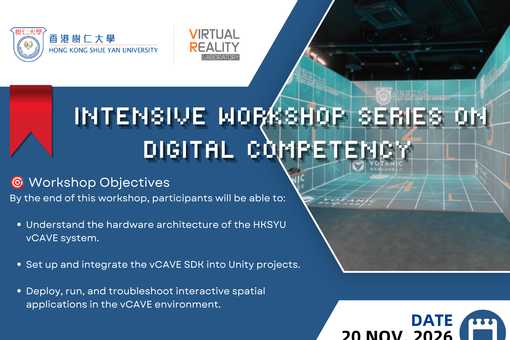
Intensive Workshop Series on Digital Competency – vCAVE Development
Date: 20 NOV 2026 (Fri)
Time: 11:00 – 13:00 and 14:00 – 16:00
Location: RHB507 VR Lab
Quota: 4
Description:
🎯 Workshop Objectives, by the end of this workshop, participants will be able to:
1. Understand the hardware architecture of the HKSYU vCAVE system.
2. Set up and integrate the vCAVE SDK into Unity projects.
3. Deploy, run, and troubleshoot interactive spatial applications in the vCAVE environment.
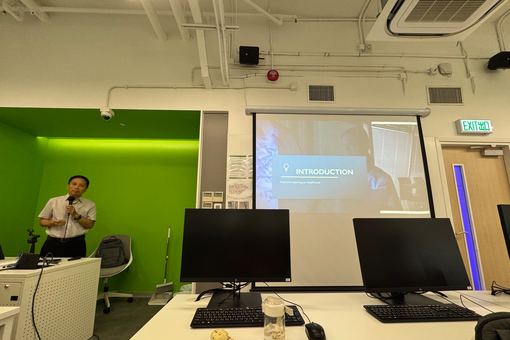
Predictive Analytics in Healthcare with Machine Learning
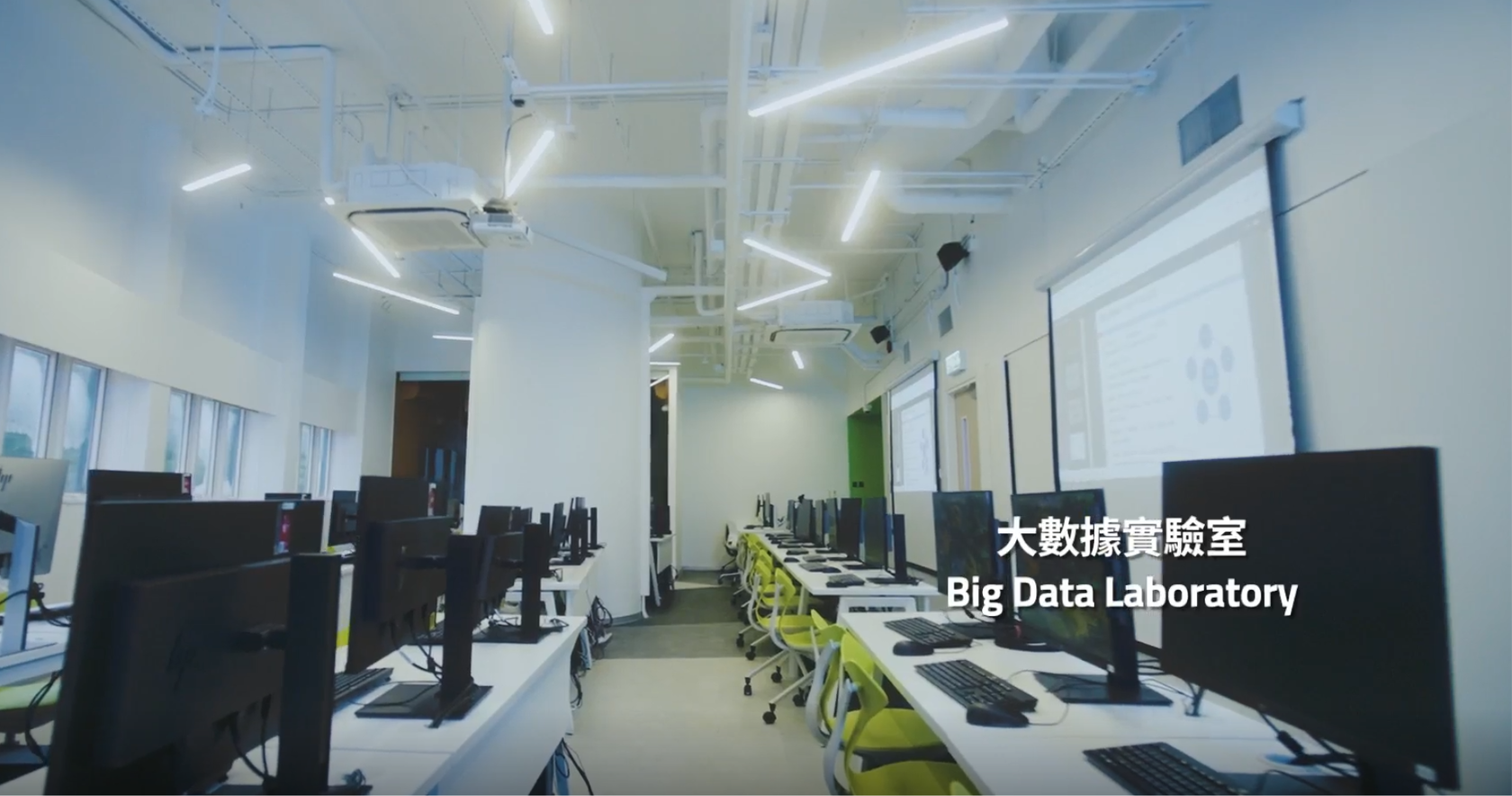
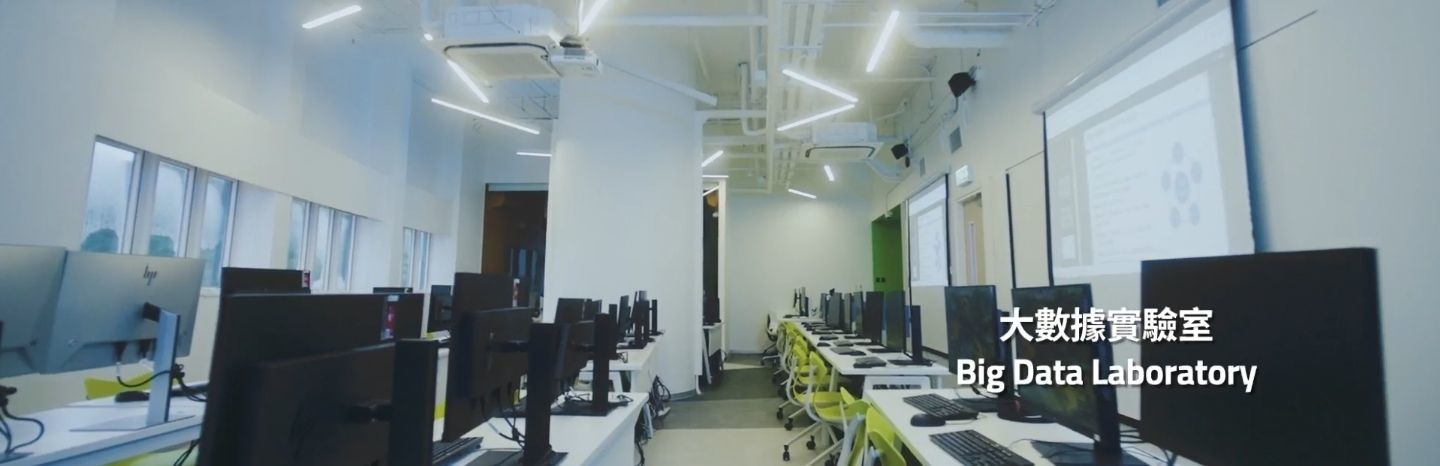
"The Department of Data Science and Digital Innovation successfully held a Master Talk, "Predictive Analytics in Healthcare with Machine Learning," today at the Big Data Lab. We were delighted to welcome Prof. Thomas K. S. Choi, who shared his research experience and insights into the application of machine learning and artificial intelligence in healthcare predictive analytics. The talk provided students with valuable exposure to cutting-edge developments in AI-driven healthcare and stimulated inspiring discussions on the future of data-driven healthcare solutions. The Department sincerely thank Prof. Choi for his engaging and informative presentation."
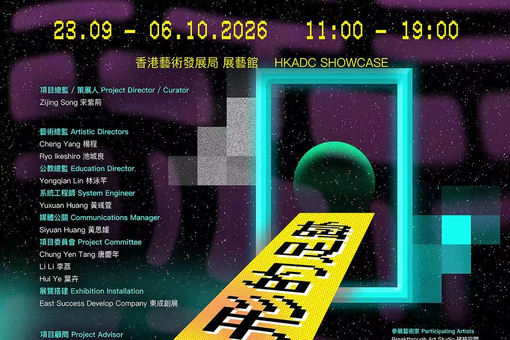
Dr. Liu Chang Exhibits XR Artworks at HKADC Showcase
Dr. Liu Chang, Assistant Professor in the Department of Data Science and Digital Innovation at Hong Kong Shue Yan University, is presenting two interactive artworks combining ceramic sculpture with extended reality (XR) technology at the group exhibition Invisible Footprint. The exhibition runs from 23 September to 6 October 2026 at HKADC SHOWCASE. Organised by the Federation of Hong Kong Jiangsu Youth, it receives funding from the Hong Kong Arts Development Council and City University of Hong Kong’s Cultural and Sports Committee, with equipment support from CityUHK’s School of Creative Media.